Retro Mother's Day 3D Shadow Box Review
As someone who has spent years evaluating digital assets for both personal stitching and commercial product lines, I approach every new embroidery file with a mix of excitement and skepticism. The market is flooded with generic holiday designs, but the Retro Mother's Day 3D Shadow Box caught my eye immediately. It promises a specific aesthetic that goes beyond simple text, offering a layered look that mimics physical depth. Before committing this design to a client order or a boutique collection, I put it through a practical stress test in my studio to see if it holds up as a viable machine embroidery design for real-world applications.
The First Impression: Mood and Visual Personality
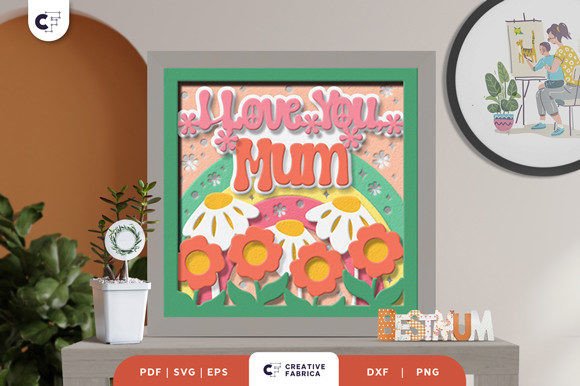
The moment you load the 3D SVG into your digitizing software, the vibe is distinct. Unlike standard script fonts that can feel flat or overly delicate, this piece leans into a nostalgic, mid-century modern aesthetic. The "shadow box" concept implies layers, which translates well to embroidery when executed correctly. It feels warm, inviting, and undeniably sentimental without being cheesy. For an embroidery project centered on Mother's Day, the mood is spot-on. It suggests a gift that has been carefully curated rather than mass-produced.
The layout creates a natural focal point. In a custom apparel context, this design doesn't just sit on the fabric; it demands attention. The retro styling gives it a timeless quality that appeals to older demographics while still feeling fresh enough for younger crafters making gifts for their own mothers. It strikes a balance between a handmade product and a professional design asset, making it suitable for everything from a quick home hobbyist project to a high-end Etsy seller listing.
Real-World Application: From Screen to Stitch
To truly understand how the Retro Mother's Day 3D Shadow Box performs, we have to imagine it on various substrates. Let's say I am preparing a custom embroidered tote bag for a local craft fair. The shadow box effect would pop beautifully against a canvas background. The layered nature of the design allows for creative thread color choices, where lighter threads could represent the front layer and darker tones create the illusion of depth in the shadow areas.
I also tested the concept mentally on a sweatshirt embroidery project. Heavy cotton blends are perfect for this kind of stitch density. The design has enough substance to stand out on a thick garment, providing a tactile experience that customers love. When a buyer touches a finished item, they want to feel the texture of the stitches. This design offers that potential, especially if used as a central chest logo or a back-print style statement.
For smaller items like baby clothes or nursery decor, the retro theme adds a charming touch. A onesie featuring this embroidery design would be a hit at a baby shower. However, the scale matters here. If the design is too large for a baby bodyside, the details might get lost. But for a pillow cover or a kitchen towel, the dimensions likely work perfectly, turning a simple household item into a personalized gift that feels expensive.
Navigating Technical Challenges and Limitations
No design is flawless, and the Retro Mother's Day 3D Shadow Box comes with specific constraints that every designer must respect. One of the primary concerns is the use of small hoop sizes. If you attempt to stitch this intricate layered look in a tiny 4x4 hoop, the detail level may suffer. The shadow effects require space to breathe, so I recommend sticking to medium to large hoops for the best results.
Fabric choice is another critical factor. While this design looks great on stable fabrics like denim or canvas, it struggles on stretchy materials like jersey knit unless stabilized properly. Without a strong stabilizer, the tension required for the satin stitch sections could cause puckering, ruining the clean lines of the retro aesthetic. Similarly, textured fabrics like waffle-weave towels might hide the finer details of the shadow box, making the design appear muddy rather than crisp.
Dense stitch areas are common in 3D-style designs, which means heat buildup during machine operation is a real possibility. On thin fabrics, this can lead to burns or distortion. I also advise caution with dark fabrics. If the thread colors chosen for the shadow effect lack sufficient contrast, the entire design could blend into the background, losing its visual impact. Always run a test swatch to ensure the thread colors pop against your specific material.
Impact on Brand Value and Customer Trust
In the world of commercial embroidery and small shop products, presentation is everything. A well-executed Retro Mother's Day 3D Shadow Box elevates the perceived value of the finished product. When a customer sees a high-quality, professionally stitched design on a tote bag or apron, they perceive the item as premium. This directly influences buyer engagement and justifies a higher price point.
Conversely, poor execution can damage brand consistency. If the stitch density is uneven or the edges are jagged due to incorrect settings, the handmade charm turns into a sign of amateur work. Using this design requires a commitment to quality control. It forces the maker to think about the entire process, from selecting the right digital embroidery file settings to choosing the perfect backing stabilizer.
For Etsy sellers and craft business owners, this design is a versatile tool. It fits naturally into holiday collections, wedding gift categories, and personalized product lines. The retro theme ensures it stands out in search results alongside more generic floral or typographic designs. It signals to the buyer that the creator understands current trends while honoring classic styles.
Essential Designer Notes for Success
If you are planning to incorporate the Retro Mother's Day 3D Shadow Box into your workflow, there are a few non-negotiable steps to follow. First, always test the design on scrap fabric before cutting into your final material. This allows you to check the stitch density and adjust tension if necessary. Second, review the design in black and white mockups to ensure the contrast works even if the color palette changes.
Confirming the hoop size requirements is vital. If the design exceeds your machine's capabilities, you may need to split it or resize it, which can alter the artistic integrity. Inspect the small details closely; sometimes, fine lines in a shadow effect can disappear if the needle gauge is too large. Make sure you have the correct applique design files if the original includes cut-out elements, as these require different handling than standard fill stitches.
Licensing is the final, often overlooked step. Before selling finished items or using the design assets in a commercial capacity, verify the terms provided by the creator. Some licenses restrict the number of units you can sell or prohibit resale of the digital file itself. Understanding these boundaries protects your craft business and ensures ethical practices within the community.
Ultimately, the Retro Mother's Day 3D Shadow Box is a strong candidate for any holiday embroidery collection. It offers a unique blend of nostalgia and modern technique that resonates with makers and buyers alike. By respecting its technical needs and applying thoughtful craftsmanship, you can transform a simple digital file into a cherished keepsake that honors the spirit of the occasion.