Floral Spring 3D Shadow Box Paper Cut Review
When I first opened the file for Floral Spring 3D Shadow Box Paper Cut, my immediate reaction was one of visual delight mixed with a healthy dose of professional caution. As someone who has spent years turning digital files into tangible, stitched masterpieces for clients and craft fairs, I know that a pretty preview image doesn't always translate to a clean stitch-out. This design falls squarely into the Seasons category, specifically capturing the essence of spring, but its unique 3D SVG aesthetic demands a different approach than standard floral motifs.
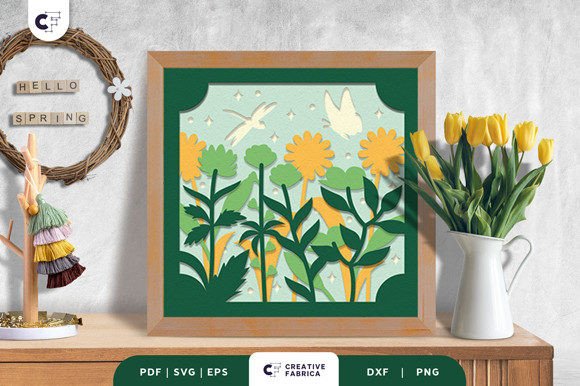
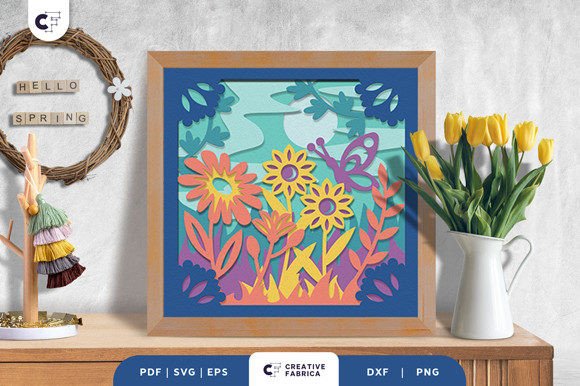
The concept is straightforward yet elegant: a shadow box effect featuring a field of spring flowers and a delicate butterfly. The "paper cut" style suggests depth, layers, and a sense of dimensionality that is rare in traditional embroidery files. It feels less like a flat pattern and more like a miniature diorama waiting to be brought to life on fabric. But does it hold up under the needle? Let's dive into how this design performs in real-world scenarios.
First Impressions and Visual Personality
The mood this design sets is undeniably fresh and optimistic. The layout mimics a layered paper craft, which gives it a modern, artistic flair that stands out against plain backgrounds. For an embroidery designer, the appeal lies in the potential for texture. The design relies heavily on the interplay between different stitch types to create that illusion of depth. I anticipate seeing a mix of satin stitch for the defined edges of the flower petals and the butterfly wings, contrasted with fill stitch or running stitch to simulate the softer, organic feel of the grassy field within the shadow box.
What strikes me most is the attention to detail in the negative space. A true paper cut look requires precise spacing between elements so that the background fabric shows through effectively. If the stitch density is too high, the design risks looking muddy; if it's too low, the structure might collapse. This balance is critical for maintaining the integrity of the Floral Spring 3D Shadow Box Paper Cut aesthetic. It feels like a piece that belongs in a boutique setting rather than a mass-market uniform.
Real-World Application: From Screen to Stitch
To truly understand the utility of this file, I simulated a project scenario: creating a custom embroidered tote bag for a local artisan market. The goal was to produce a limited-edition run of canvas totes featuring a spring theme for a Mother's Day sale. The Floral Spring 3D Shadow Box Paper Cut seemed perfect for this, offering a sophisticated alternative to the typical bright, cartoonish flowers found on generic bags.
Imagine placing this design on a natural beige canvas tote. The shadow box effect would pop beautifully, creating a focal point that draws the eye immediately. The butterfly adds a whimsical touch that appeals to customers looking for personalized gifts. However, the success of this project hinges on thread selection. Using muted earth tones for the background and vibrant pastels for the flowers would enhance the paper-cut illusion. Conversely, using neon threads would destroy the subtle, handcrafted vibe.
This same design could easily transition from a tote bag to a sweatshirt embroidery project. On a heavyweight cotton blend hoodie, the 3D effect would add a premium feel, elevating the garment from basic streetwear to a statement piece. For Etsy sellers or owners of a small shop product line, this versatility is gold. It allows you to offer a cohesive collection across different categories—apparel, home decor, and accessories—without needing to source multiple designs.
Where Caution Is Required
While the design is visually stunning, there are specific environments where Floral Spring 3D Shadow Box Paper Cut might struggle. First, consider the hoop size. The intricate details of the paper cut style require enough room to execute cleanly. Attempting to fit this into a very small hoop, such as those used for hats or tiny patches, could result in lost definition. The fine lines of the butterfly and the individual petals might merge together, losing the crisp edges that define the style.
Fabric choice is another critical factor. Textured fabrics like thick terry cloth or heavy denim can obscure the delicate details of the shadow box. Similarly, stretchy fabrics like jersey or thin knits pose a risk of puckering, which would ruin the geometric precision of the 3D effect. If you plan to use this on a cap or a curved surface, the distortion caused by the curve might alter the perspective of the shadow box, making it look uneven.
Dense stitch areas are also a concern. If the design includes large blocks of fill stitch without adequate underlay, the fabric beneath could become stiff and uncomfortable. This is particularly important for items that will be worn frequently, such as custom apparel or baby clothes. Parents and buyers often prefer soft, breathable finishes over stiff, heavy embroidery. Additionally, dark fabrics present a challenge. To achieve the paper cut look, the design likely relies on light colors or the fabric itself acting as the background. On black or navy fabric, the shadow box effect might disappear unless you use extensive outlining or a contrasting underlay.
Impact on Product Value and Brand Perception
In the world of handmade products, presentation is everything. A well-executed embroidery project using Floral Spring 3D Shadow Box Paper Cut signals quality and attention to detail to the customer. When a buyer sees a design that looks like a complex paper craft but is actually stitched with precision, their perception of value increases. They are willing to pay a premium for what they perceive as a unique, artisanal item.
For commercial embroidery projects, consistency is key. If this design is used across a range of products—from aprons to pillow covers—it establishes a recognizable brand identity. The spring theme is universally appealing, making it a safe yet stylish choice for seasonal collections. However, if the stitching is sloppy, the opposite happens. A blurry butterfly or misaligned layers can make a finished product look cheap, damaging customer trust and harming your reputation as a craft business.
The design also excels in marketing materials. High-quality mockups featuring this design can serve as powerful design assets for online listings. The 3D nature of the artwork translates well to digital previews, allowing potential buyers to visualize the depth before they purchase. This visual clarity helps drive engagement and conversion rates for digital embroidery file sellers or physical product creators.
Practical Designer Notes for Success
Before committing to a full production run, I strongly advise testing the design on scrap fabric first. This step is non-negotiable for any serious embroidery file user. You need to verify that the thread colors you intend to use provide sufficient contrast against your chosen fabric. Sometimes, a color combination that looks great on a screen fails miserably when stitched.
Review the stitch density settings carefully. If the file comes with default settings that are too aggressive, adjust them to ensure the fabric doesn't pucker. Confirm the recommended hoop size and stick to it strictly. Using a stabilizer appropriate for your fabric type is essential; for lightweight materials, a tear-away might work, but for heavier items, a cut-away or fusible stabilizer will provide the necessary support to maintain the 3D structure.
Inspect the small details closely, especially the butterfly wings and the inner corners of the flowers. These areas are prone to breaking or tangling if the machine tension isn't perfectly calibrated. Testing the design in black and white mockups can also help you assess the contrast and layering without the distraction of color. Finally, check whether the design works for both personal and commercial projects. Ensure you have reviewed the licensing terms before selling finished items or distributing the digital product itself.
Ultimately, Floral Spring 3D Shadow Box Paper Cut is a versatile and beautiful addition to any library. It offers a sophisticated take on spring themes that can elevate a wide range of products. By approaching it with careful planning, proper stabilization, and a keen eye for detail, you can create stunning handmade products that resonate with customers and stand out in a crowded marketplace.