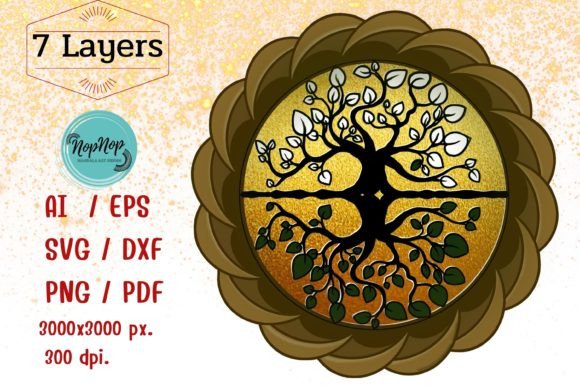
3D Mandala Tree: A 3D SVG Shapes Review for Branding
As a brand designer who has spent years refining visual identities for everything from boutique lifestyle shops to digital coaching programs, I know that the difference between a generic campaign and a memorable one often comes down to the specific graphic design asset you choose. Recently, I had the opportunity to evaluate the 3D Mandala Tree, a unique entry in the world of Shapes and 3D SVG files. My goal was to determine if this intricate illustration could genuinely elevate our visual hierarchy or if it would simply add noise to our content strategy.
The first impression of the 3D Mandala Tree is striking. Unlike flat, two-dimensional clipart, this piece possesses a tangible depth that immediately commands attention. When placed against a clean background, it creates a mood that is both meditative and dynamic. It suggests a sense of growth, balance, and organic complexity. For brands looking to convey authenticity, mindfulness, or artisanal quality, this asset delivers an emotional tone that feels premium yet approachable. It avoids the sterile look of corporate stock photography while steering clear of the chaotic energy found in overly busy designs.
I recently tested this asset during a real-world project: launching a seasonal wellness collection for a small business client. The challenge was to create a cohesive set of marketing visuals that would stand out on crowded social media feeds without overwhelming the message. We needed something that could serve as a hero graphic for the landing page, a decorative element for product packaging, and a versatile icon for Instagram posts. The 3D Mandala Tree fit this workflow perfectly. Its layered structure allowed us to manipulate the focus, ensuring that the text remained legible while the visual added significant value.
Elevating Brand Identity and Visual Consistency
In the realm of brand identity, consistency is king. A strong visual system relies on elements that can be scaled and adapted without losing their character. The 3D Mandala Tree excels here because it functions as more than just a static image; it acts as a foundational pillar for your modern design language. Whether you are designing a logo, creating product labels, or drafting editorial layouts, this asset provides a sophisticated anchor point.
When integrated into a Canva template or used within a digital product bundle, it adds a layer of professionalism that signals trust to your audience. Consumers today are highly attuned to visual cues; they subconsciously judge the credibility of a brand based on the quality of its graphics. By using a high-quality Social media graphics element like this, you signal that you care about details. This leads to better audience trust and stronger recognition across different platforms.
Practical Applications Across Marketing Channels
The versatility of this design bundle cannot be overstated. In my review, I explored how the 3D Mandala Tree performs in various marketing visuals. For Pinterest pins and Facebook ads, the 3D effect creates a "stop-scroll" moment that draws the eye deeper into the ad copy. It works exceptionally well as a background texture for lead magnets or email banners, where it adds depth without obscuring the call-to-action.
- Packaging Design: The asset serves as a stunning accent on product boxes or inserts, transforming simple cardboard into a luxury unboxing experience.
- Web Design: Used as a header graphic or section divider, it breaks up long blocks of text and guides the user's eye naturally through the site.
- Merge with Typography: I tested pairing this illustration with serif fonts for a classic, elegant feel, and also with bold sans-serif fonts for a modern, energetic vibe. Both combinations worked, proving its adaptability to different brand personalities.
This level of flexibility makes it an ideal choice for content marketing strategies that require a wide range of assets from a single source. From event flyers to merchandise stickers, the 3D Mandala Tree ensures that your brand remains visually consistent whether the customer is viewing a large poster or a tiny mobile screen.
Strategic Limitations and Usage Guidelines
However, every powerful tool has its boundaries. As a seasoned marketer, I must advise caution when applying the 3D Mandala Tree to certain contexts. While it is magnificent for hero graphics and campaign headers, it should be used carefully in dense information layouts. If your goal is to present complex data or a wall of text, this ornate design might compete with the main message, creating visual clutter rather than clarity.
Furthermore, on small mobile graphics where space is at a premium, the intricate details of the mandala may become indistinct. In these cases, simplifying the view or using it as a subtle watermark is wiser than relying on it as the focal point. Brands with an extremely minimal aesthetic might find the 3D depth too heavy, preferring flatter, more abstract symbols. Additionally, always ensure you have a commercial license before using this asset in paid campaigns or client work, as this protects your business from legal complications.
Professional Designer Notes for Implementation
To get the most out of this creative design asset, I recommend following a few practical steps during your implementation process. First, test the asset with your existing brand color palette. Does the shading in the 3D rendering clash with your primary colors? Adjusting the opacity or applying a color overlay can help it blend seamlessly.
Second, check the black and white usage. Convert the file to grayscale to ensure the visual hierarchy holds up even when color is removed. This is crucial for print materials or monochromatic branding. Third, preview the design on actual mobile screens. Sometimes, what looks balanced on a desktop monitor feels cramped on a phone. Finally, compare it against competitor visuals to ensure your brand stands out rather than blending in with similar trends.
Final Verdict for Creative Entrepreneurs
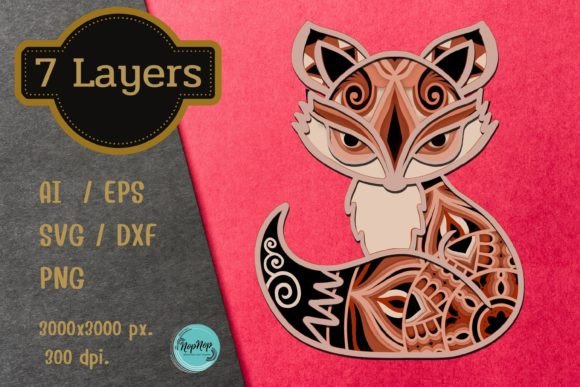
The 3D Mandala Tree is more than just a clipart file; it is a strategic component for building a professional brand presence. With its 7 layers and multiple file formats including AI, EPS, SVG, PNG, PDF, and DXF, it offers the technical freedom required for both print production and digital ads. Whether you are a small business owner refreshing your website, a product creator designing a new line, or a social media manager curating a content kit, this asset provides the visual polish needed to succeed.
By integrating the 3D Mandala Tree into your workflow, you are investing in a design that supports stronger engagement, clearer communication, and a more memorable campaign. It bridges the gap between artistic expression and commercial effectiveness, making it a standout addition to any library of design assets. For those seeking to elevate their visual hierarchy and create a lasting emotional connection with their audience, this SVG design is a compelling choice.